
The orgasm gap is not about “broken” bodies; it’s about cultural patterns that ignore the clitoris and prioritise one kind of pleasure over another.
What Is the Orgasm Gap?
The orgasm gap (or pleasure gap) is the difference in how often heterosexual men and women reach orgasm during sexual encounters. Across large surveys, men report orgasming far more frequently than their female partners in mixed‑sex encounters.
One review of nearly 50,000 women and 48,000 men found that typically only 30–60% of women reported orgasming during heterosexual sex, compared to 70–100% of men. Another mixed‑methods study in Canada found the same pattern: heterosexual women climax less often than heterosexual men.
This isn’t a tiny difference. It’s a structural pattern produced by culture.
It’s Not Anatomy – It’s Culture
Penises and clitorises have roughly the same number of nerves, which means the issue isn’t that vulvas are “too complicated” or “harder to please.” It’s the way sex is shaped by culture and thought.
Research shows that:
- Heterosexual encounters tend to center on penetration and penis pleasure.
- Practices that focus on clitoral stimulation – like oral sex, manual stimulation and varied, longer touch – are strongly linked to higher orgasm rates for women.
- Lesbian cis women, who more often use these practices and negotiate sex less around rigid gender roles, report much higher orgasm frequency than straight cis women.
In one large US study, about 88% of cis lesbian women reported that they “usually or always” orgasm during sex, compared to around 65% of cis straight women. That difference strongly suggests that when script changes, the gap shrinks.
So the problem is not that people with clitorises “can’t orgasm.” It’s that dominant heterosexual culture deprioritises the very stimulation most likely to get them there.
Clitoral Stimulation Changes Everything
This tells us something crucial: the orgasm gap is largely about what is considered “standard” sex in our culture. Right now, the default framework sidelines the clitoris.

How Erasing the Clitoris Helps Sustain the Gap
The orgasm gap doesn’t start in the bedroom. It starts in classrooms, textbooks and clinics.
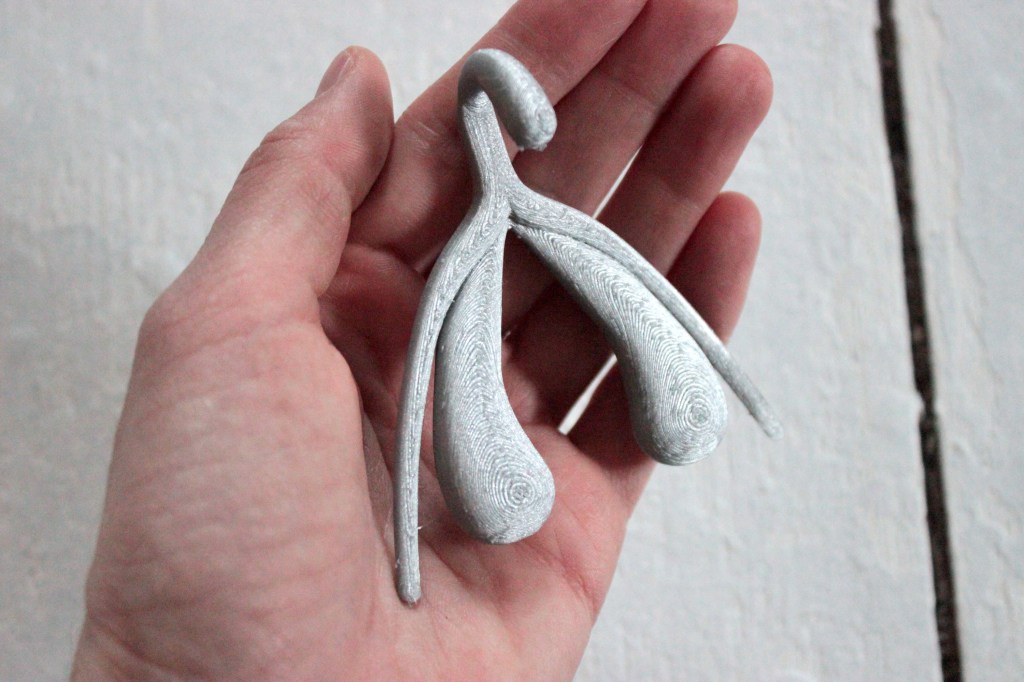
- Many anatomy books still under‑represent or oversimplify clitoral anatomy, focusing on reproduction instead of pleasure.
- That lack of detail filters into medical training, so some surgeons and doctors are not fully aware of the extent, sensitivity and function of the clitoris.
- This ignorance shows up in harmful ways: nerves being damaged during genital surgeries, or pain and numbness dismissed, or people being told “everything is fine” when their pleasure has been compromised.
When a major sexual organ is treated like a footnote, it’s no surprise that a culture emerges where its stimulation is optional, and its absence from sex is considered normal.
The same large US study that documented the gap between heterosexual men and women also compared different orientations. It found that lesbian women reported orgasm much more often than heterosexual women, and that this difference was strongly associated with specific practices: more clitoral stimulation, more oral sex, more manual touch, more time and more communication.
The result is a much smaller orgasm gap between partners, and overall higher orgasm frequency for both compared to many heterosexual couples.
There is nothing mysterious about this: when culture makes room for clitoral pleasure and mutual focus, orgasms become more evenly distributed.
How to Use This Knowledge
Closing the orgasm gap means changing both culture and practice:
- Talk openly about the clitoris as the primary pleasure organ for many vulva owners.
- Rebuild “normal” sex around clitoral stimulation, not as an optional extra or two‑minute “foreplay,” but as central.
- Question any cultural story where men’s orgasms are assumed and women’s are a bonus.
- Bring accurate clitoral anatomy into classrooms, workshops and medical training.
The orgasm gap is not inevitable. It’s the result of cultural choices about whose pleasure matters. The more we learn about the clitoris – and the more we center it in education, culture and sex – the smaller that gap becomes.
 clito
clito 
Deixe um comentário