
We like to imagine that FGM – female genital mutilation – is something that happens “elsewhere,” far from shiny cosmetic clinics and glossy marketing. But when clitoral anatomy is missing from textbooks and surgical training, some cosmetic genital surgeries can slide dangerously close to the same harm, just under another name.
The Problem With “Cosmetic” Genital Surgeries
Procedures like labiaplasty and nymphoplasty are often advertised as neat solutions for anyone who feels “too big,” “asymmetrical” or “uncomfortable” in their vulva. The language is soft: rejuvenation, refinement, tidying up. Underneath the euphemisms lie scalpels, nerves, blood supply and long‑term consequences for sensation and pleasure.
People who request these surgeries often carry deep shame about their vulvas – shame produced by porn, partners, medicine and culture. They are rarely given fully informed, pleasure‑centered information about what is being cut, how it might affect their clitoris, or what the alternatives are.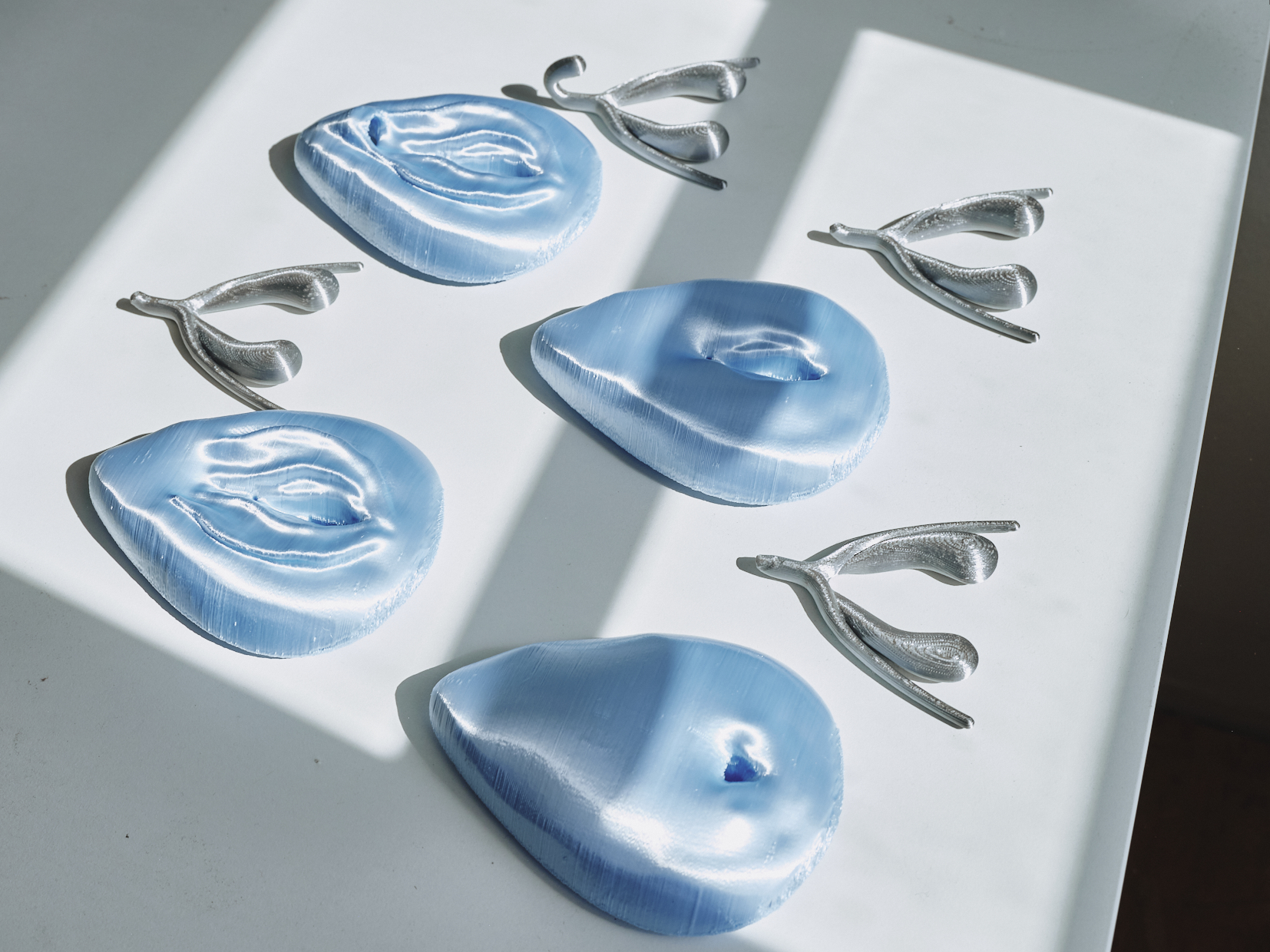
The Missing Clitoris in Medical Education
One of the most dangerous parts of this story is how profoundly the clitoris has been ignored in medical history. In many academic textbooks, the clitoris is sketched as a small dot or triangle, if it appears at all. The internal structure – the crura, bulbs and their relationship to the vulva and vagina – is simply absent.
If medical students don’t learn how far the clitoris extends, how densely innervated it is and how it can be injured, they carry that ignorance into their practice. Surgeons may become highly skilled at cutting and stitching labia while still having only a vague sense of what lies beneath. This is not a small oversight; this is a structural risk.
How Ignorance Turns Surgery Into Mutilation
When a surgeon operates without a clear mental map of the clitoris, the risk of nerve damage skyrockets. Cutting “excess” tissue without understanding where clitoral branches run can mean severed nerves, chronic pain, or a profound, irreversible loss of sensation.
In these cases, the outcome – diminished pleasure, scar tissue, trauma – can closely resemble the consequences of FGM, even if the procedure is framed as elective, aesthetic or “empowering.” The label may say “cosmetic,” but the body feels the loss all the same.
Knowledge as Protection and Power
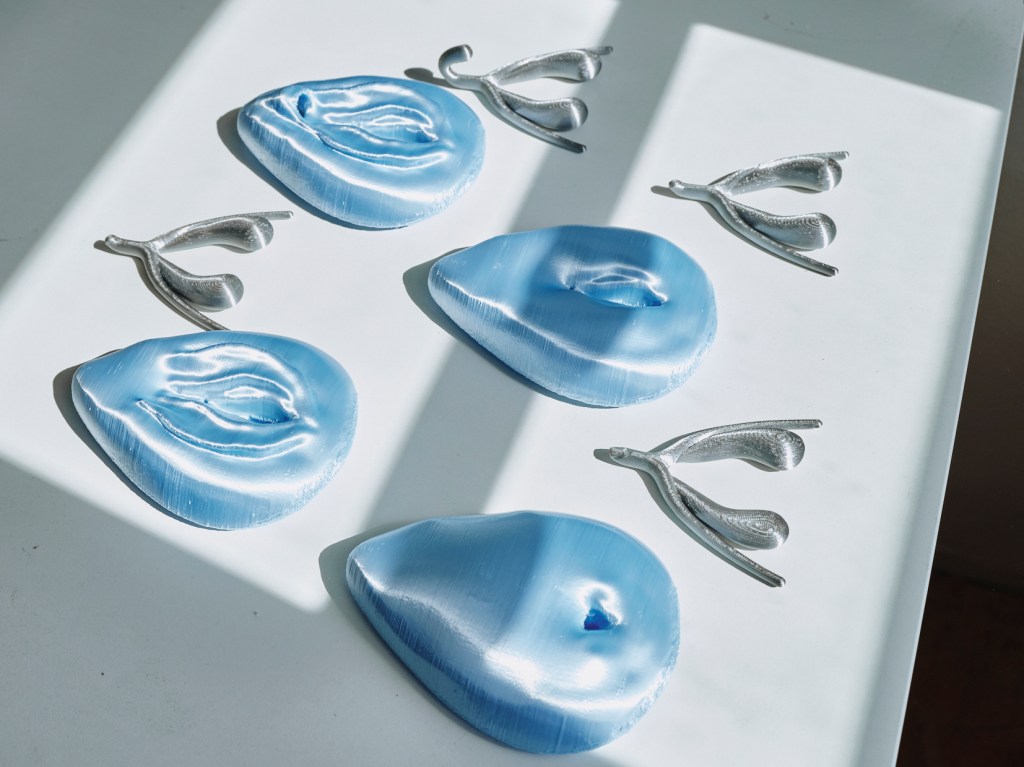
One crucial way to reduce this harm is to make clitoral anatomy non‑negotiable in medical education and public knowledge. Models, detailed diagrams and high‑quality research are not just interesting; they can literally save people’s pleasure and protect them from unnecessary mutilation.
When patients know what their clitoris actually looks like and where it extends, they can ask sharper questions before any surgery:
- Which parts of the anatomy will you cut or reshape?
- How do you account for clitoral nerves and erectile tissue?
- What training have you had in clitoral and vulvar anatomy specifically?
An informed “no” is just as powerful as an informed “yes.”
Towards Safer Care and Bodily Autonomy
Ending harmful genital surgeries requires more than banning one practice or another. It means insisting that every procedure affecting the vulva and clitoris be approached with deep respect for sensation, pleasure and autonomy, not just appearance.
By raising awareness about the real shape and structure of the clitoris, supporting clitoral anatomy research, and demanding that medical professionals receive comprehensive training, we can move towards a world where no one loses their pleasure because a textbook chose to ignore an organ.
 clito
clito 
Deixe um comentário